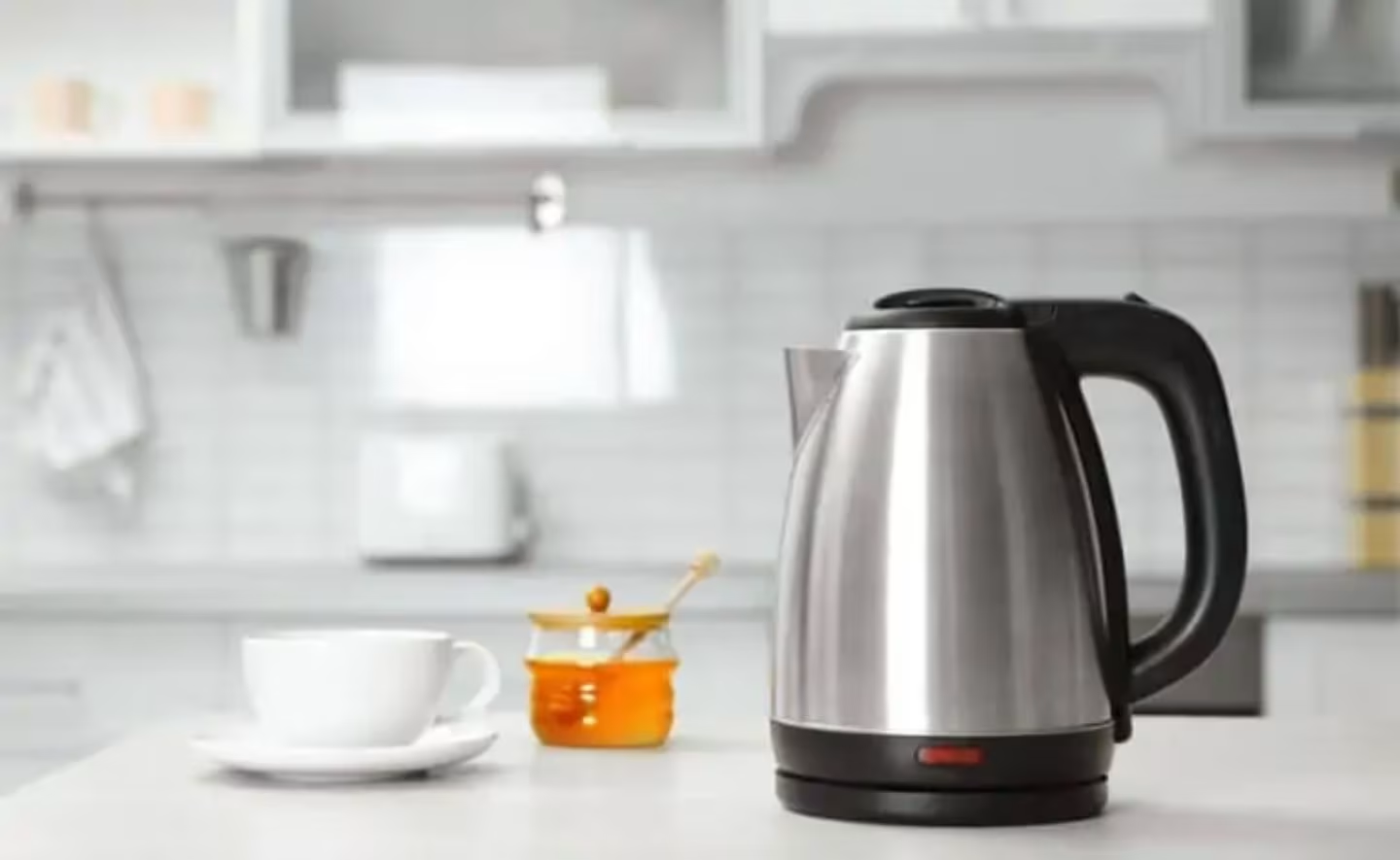
Whether you rely on coffee or tea to start your day, a clean kettle is essential for a relaxing morning ritual. Today, I’m sharing how to descale and deep clean both electric and stovetop kettles to remove unappetizing limescale buildup. I’ll also reveal a professional secret for polishing fingerprints off stainless steel. If you’re a Keurig user, don’t forget to check out my recent guide on cleaning those makers as well.
Safety first: unplug electric kettles and ensure all models are cool before you begin.
To clean the exterior, use a microfiber cloth or non-scratch sponge with hot, soapy water, making sure never to submerge an electric base. For stubborn watermarks, use a 1:1 vinegar and water solution, or a baking soda paste for enamel and stainless steel.
Always test a small area first to ensure compatibility with your kettle's finish. For a final, streak-free sparkle, buff the surface with a damp microfiber cloth and a quick spritz of equal parts vinegar and water.
For a professional, smudge-free finish, apply a single drop of baby oil to a damp microfiber cloth and buff the surface of your kettle. Follow up with a dry paper towel to remove any oily residue. As always, test a small, inconspicuous area first to ensure the treatment is right for your kettle's finish.
Limescale accumulates inside your kettle just like the outside, so plan to descale every few months. Fill the kettle with equal parts water and white vinegar, bring it to a boil, and let it sit for 20 minutes before rinsing. To eliminate any vinegar scent, boil a fresh pot of plain water. For more ways to use this cleaning staple, check out our guide on clever vinegar hacks.
Whether you use an electric or stovetop model, regular cleaning is essential. Try pairing this task with your routine kitchen maintenance so it never gets overlooked. A clean kettle makes every coffee break—especially those sneaky afternoon ones—much more enjoyable.